
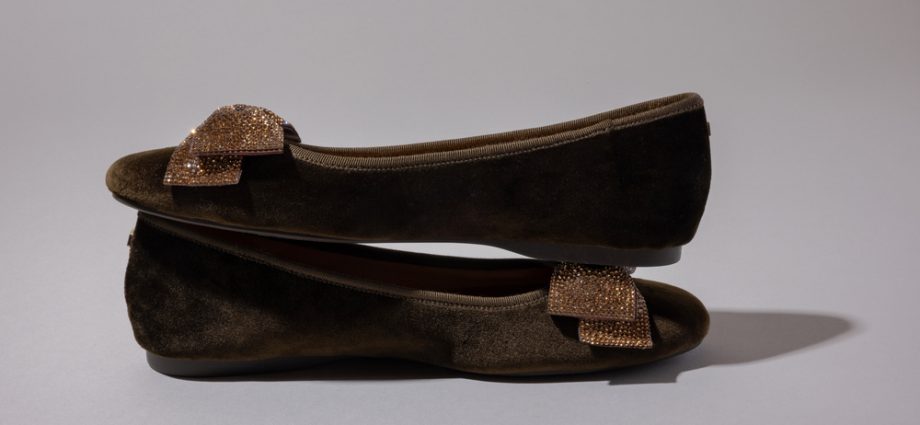
Shoes that are flat should be comfortable. Isn’t that the point? But many shoes become torture devices after an hour. Blisters form. Heels slip out. That spot between your toes starts burning. There are likely some forgotten pairs in your closet. They looked perfect in the store. They felt fine during that quick walk around the shoe department. But real life? Different story. The truth is that most flat shoes fail because manufacturers focus on looks over function. They assume flat automatically equals comfortable. It doesn’t.
The Foundation: Sole Support
Your shoe’s sole takes a beating every single day. Cheap, paper-thin soles basically turn your feet into shock absorbers for concrete sidewalks. Feel that ache in your heel after a long day? Blame the sole. Good soles need some thickness, but not too much. It’s like a mattress. It offers support, not hardness. Rubber grips better than leather, particularly in the rain. Have you ever slipped on a wet floor? Rubber prevents that.
Here’s something most people miss – check where the sole bends. Place the shoe on the ground and press its toe. Does it bend at the ball of the foot? If it’s bending at your arch, run away. Your foot doesn’t bend there naturally, and forcing it will hurt.
Materials That Work With You
Leather gets a lot of love, and honestly, it deserves most of it. It actually learns the shape of your foot over time. It breathes, so your feet don’t turn into swamps by noon. Canvas is another solid choice when it’s hot out. Light, cheap, and you can throw many styles in the washing machine when they get gross.
Synthetic materials are a mixed bag. The cheap ones feel exactly like what they are – plastic bags for your feet. But newer synthetics can surprise you. Some actually breathe better than leather and cost half as much.
The inside of the shoe matters too. Rough seams and scratchy linings equal blisters. Every. Single. Time. Run your hand inside any shoe before buying it. If something feels off to your fingers, your feet won’t like it either.
Design Details That Matter
Toe shape is huge. Those pointy-toed shoes that make legs look longer? They’re squishing your toes into a triangle. By 3 PM, your pinky toe is screaming. Round or square toes give your feet room to exist normally.
Ballet flats look great but often slip off heels because there’s nothing holding them on. Brands like Birdies fix this differently. They use no slip rubber soles and hidden elastic in the straps of some styles.
Finding Your Perfect Fit
Do your shopping in the afternoon. Feet swell throughout the day, possibly by a half size. Shoes that fit great in the morning could feel awful by evening. Width is just as important as length, possibly even more. Hoping for a better fit, many people force their feet into shoes that are too small. Sometimes they stretch. But while you’re waiting for that magical stretching, you’re destroying your feet. The shoe should feel good immediately, not after a “breaking-in” period. Walk around the store. Stand on one foot. Squat down. Walk fast, then slow. Why worry if others are looking? These are the shoes you’ll be wearing.
Conclusion
Flats that are comfortable do exist. Prioritize soles that offer both cushioning and stability. Select fabrics that are breathable and flexible and choose shoes that allow your feet to function naturally. Purchase shoes when your feet are biggest and avoid shoes that don’t fit perfectly. Somewhere, perfect flat shoes are available. And they’ll make your daily walks fun instead of grueling.