
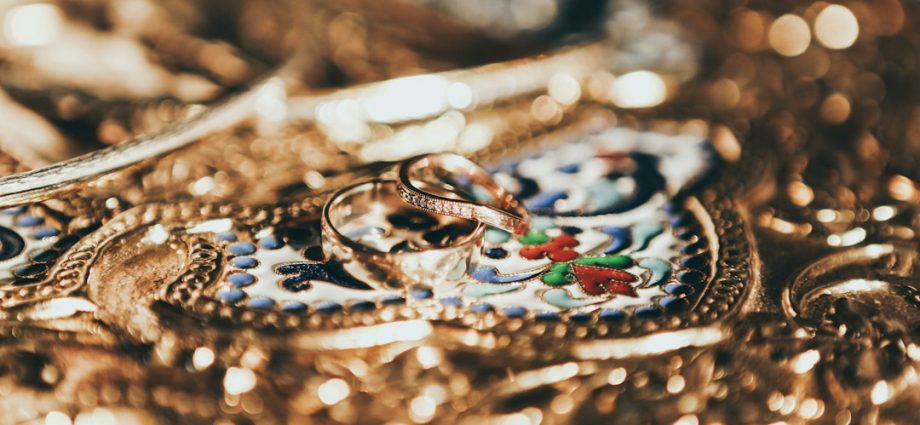
The term “ethical” is the easiest word to use on a jewelry website, yet the hardest one to substantiate. Mines are often located far away, and factories are seldom named. Despite this, a ring on a velvet display still looks appealing.
Dallas buyers who prioritize labor rights and environmental sustainability have more options than they did a decade ago. However, they also encounter increasingly vague descriptions. Ethical jewelry in Dallas isn’t just a trend; it involves a series of informed choices.
What “Ethical” Should Include
To fully understand the term, it’s essential to consider four key aspects:
- The Gem: How was it sourced or created, and who was responsible for cutting it?
- The Metal: Is it recycled, Fairmined, or newly mined with little transparency?
- The Making: Who crafted and assembled the piece, and under what working conditions?
- The Afterlife: Can the jeweler provide maintenance, inspection, and support for the piece?
If a brand focuses solely on the first point, it’s important to continue asking questions.
Lab-Grown Stones Change the Equation
Lab-grown diamonds mitigate some of the most significant harms associated with large-scale diamond mining, such as habitat destruction, water depletion, and labor exploitation tied to various mining practices. While they are still diamonds, they are not automatically carbon-neutral; the energy sources utilized by the grower play a critical role.
Moissanite, made from lab-grown silicon carbide, is not a diamond, and responsible sellers will clarify this. It is durable, bright, and typically more affordable in larger sizes. For buyers who prioritize brilliance over tradition, it is an environmentally friendly option.
The True Gem works with both lab-grown diamonds and moissanite, emphasizing that they prefer grown stones and recycled metals first, with Eco Fairmined gold available for clients who seek certified artisanal metal instead of recycled options.
Recycled Gold Is Not Merely a Marketing Term
Gold can be melted and reused without sacrificing quality. Recycled gold reduces the need for new mining operations, which can disrupt communities and the environment. However, not every ring made from recycled gold is ethical. It’s essential to know who refined it and who manufactured the piece. Recycled gold should be seen as a starting point, not a badge of virtue.
Fairmined gold follows a different path. It comes from artisanal mines that adhere to legal standards, labor rights, and environmental practices, with a premium that supports those communities. Some clients value this story more than simply using reclaimed materials. Both options are more credible than vague claims about being “responsibly sourced” without supporting documentation.
Questions to Ask in a Dallas Studio
When visiting a jeweler that prioritizes ethics, consider asking these questions:
- Can you specify the origin of this diamond or moissanite, and not just the cutting location?
- Is the gold recycled, Fairmined, or newly mined? Can you provide written confirmation of that?
- Where was this ring fabricated and set?
- What do you refuse to sell, and why?
- What happens to this piece five years from now if a prong becomes thin or a stone loosens?
A thorough answer is specific and detailed, while a weak response often revolves around broad “values” statements.
Beauty Still Matters
Ethical jewelry that compromises on aesthetics is likely to end up unused. The standard of beauty should match that of any fine piece: clean lines, secure settings, consistent metal, and stones that shine in natural light.
This is why designs inspired by different eras and custom creations are significant in this conversation. You can appreciate Georgian or Art Deco styles without using stones linked to an indefensible supply chain. Antique aesthetics and contemporary sourcing can coexist beautifully.
What The True Gem Offers
The True Gem has been operating in Dallas since 2016, with a mission focused on prioritizing people and the planet over profit, fostering a community that values jewelry beyond mere inventory.
Practically, this means they offer lab-grown diamonds, TrueGem moissanite (matched for color and clarity), recycled metals, custom designs, and a studio located on Cole Avenue that allows you to consult directly with a designer rather than deciphering a product listing alone.
They also include often overlooked features like a lifetime craftsmanship guarantee, optional annual inspections and cleaning, virtual appointments for clients outside Texas, and financing options through ShopPay, Synchrony, and Global-E depending on your location.
While none of this replaces the importance of your own inquiries, it does mean you won’t be starting from scratch.
Holiday Shopping Draws Attention to Vague Claims
As November approaches, gift pages will fill with words like “conscious” and “sustainable,” often lacking meaningful details. If you’re shopping for an engagement ring, wedding band, or significant gift, take your time.
Choose a jeweler who can clearly explain the specifics of the metal and stone without avoiding the topic. Avoid those who redirect the conversation to carat weight.
Buy the Standard You Can Explain
Ethical jewelry in Dallas should withstand a straightforward test: can you explain to a friend how the ring was made without mentioning the word “journey”?
If you’re looking for that conversation in a genuine studio environment, visit The True Gem at 2626 Cole Ave, Suite 800, or schedule a virtual appointment at thetruegem.com. Call (214) 253-2991 with any sourcing questions before you fall in love with a design.
The main point is not to achieve a perfect supply chain but to work with a jeweler willing to show you the actual chain they utilize.
The Short Version
- The term ‘ethical’ in jewelry is often vague and difficult to substantiate.
- Dallas buyers now have more ethical jewelry options, but the descriptions may be increasingly unclear.
- Lab-grown diamonds help alleviate environmental and labor issues associated with diamond mining, though their environmental impact can vary based on energy sources used in production.
- Recycled gold is not automatically ethical; it requires understanding of its refinement and manufacturing sources.
- The True Gem offers lab-grown diamonds, moissanite, recycled metals, and custom designs, with an emphasis on ethical practices and customer engagement.
- When purchasing ethical jewelry, it’s crucial to ask specific questions regarding the origins and production methods of the materials used.